Dog breeding is both an art and a responsibility. Ethical breeders focus not only on producing high-quality puppies but also on ensuring the health, nutrition, and well-being of the mother dog and her litter. One product that has gained attention among breeders and dog owners is Happy Jack Milkade, a supplement designed to support milk production in nursing dogs. When used correctly within a responsible breeding program, Milkade can help maintain healthy lactation and provide growing puppies with the nutrition they need during their earliest weeks of life.
In this blog, we will explore the relationship between Happy Jack Milkade and dog breeding, how the supplement works, when breeders typically use it, and best practices for maintaining healthy breeding dogs and thriving puppies.
Understanding Dog Breeding and Nutritional Needs
Dog breeding requires careful planning, proper genetics, and comprehensive health management. During pregnancy and lactation, a female dog (also known as a dam) experiences significant physical changes. Her body must support the development of puppies during gestation and later produce enough milk to nourish them after birth.
Lactation places heavy nutritional demands on the mother. In fact, during peak milk production, a nursing dog may require two to three times her normal calorie intake. If she does not receive adequate nutrition, it can lead to:
- Reduced milk production
- Weak or underweight puppies
- Maternal exhaustion
- Increased risk of illness
Breeders therefore often rely on high-quality diets and supplements to ensure the dam produces sufficient milk and maintains good health throughout the nursing period.
What Is Happy Jack Milkade?
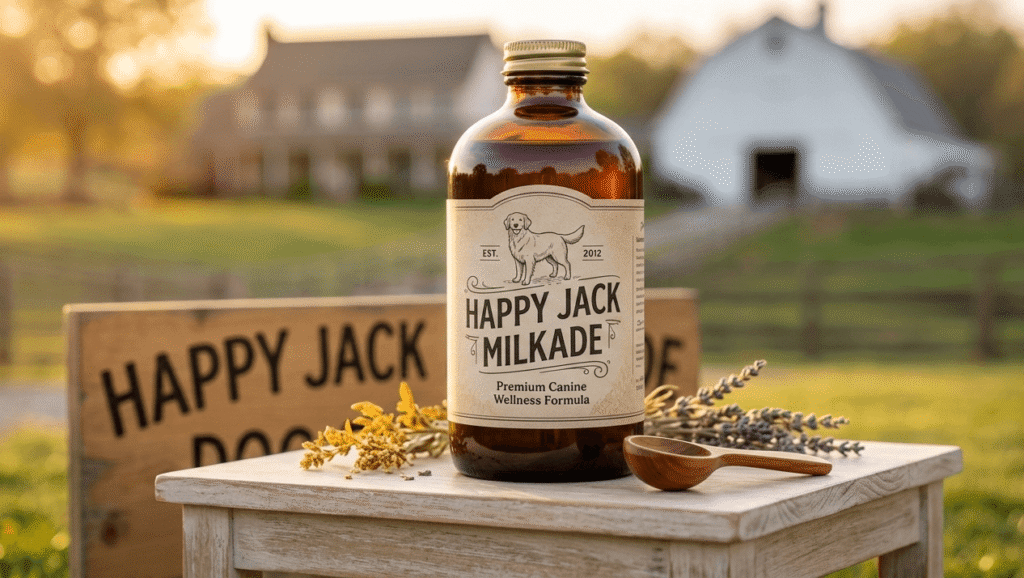
Happy Jack Milkade is a nutritional supplement formulated to help increase milk production in nursing dogs and other animals. It is commonly used by breeders who want to support lactation and ensure puppies receive adequate nourishment from their mother.
Milkade contains ingredients that stimulate milk production and provide nutritional support for lactating animals. It is usually administered as a powder mixed with the dog’s food or water.
Key benefits associated with Milkade include:
- Supporting milk flow in nursing mothers
- Helping prevent low milk supply
- Providing nutritional support during lactation
- Assisting breeders when caring for large litters
While Milkade is not a replacement for proper nutrition or veterinary care, it can serve as a supportive supplement within a well-managed breeding program.
Why Milk Production Matters in Dog Breeding
Milk production plays a crucial role in the survival and development of newborn puppies. During the first weeks of life, puppies rely entirely on their mother’s milk for nutrition, immunity, and hydration.
Mother’s milk contains:
- Essential proteins and fats
- Antibodies that strengthen the immune system
- Vitamins and minerals needed for growth
- Enzymes that aid digestion
If a mother produces insufficient milk, puppies may become weak, dehydrated, or fail to thrive. Breeders must monitor lactation closely, especially during the first two weeks after birth when puppies are most vulnerable.
This is where products like Happy Jack Milkade may be used to encourage healthy milk production.
When Breeders Use Happy Jack Milkade
Many breeders introduce Milkade after the puppies are born and the mother begins nursing. The supplement is typically used if:
- The dam shows signs of low milk production.
- The litter is larger than average, increasing demand for milk.
- The puppies appear restless or underfed.
- The breeder wants to support milk flow early in lactation.
However, responsible breeders always consult a veterinarian before introducing supplements. Lactation issues can sometimes signal underlying health problems that require medical attention.
Benefits of Using Milkade in Breeding Programs
When used appropriately, Milkade can offer several benefits to breeders and their dogs.
1. Improved Lactation Support: The primary purpose of Milkade is to encourage milk production in nursing dogs. This can help ensure puppies receive sufficient nutrition during their early development.
2. Better Puppy Growth: Adequate milk intake contributes to stronger puppies with better weight gain. Healthy puppies typically show steady growth during their first few weeks of life.
3. Reduced Stress for the Mother: Producing milk for a litter is physically demanding. Supplements like Milkade may help support the mother’s body during this intense period.
4. Assistance with Large Litters: Some breeds commonly produce large litters. When many puppies compete for milk, additional support may help ensure each puppy receives enough nourishment.
Responsible Dog Breeding Practices
Although supplements can be helpful, they should never replace ethical breeding practices. Responsible breeders prioritize the long-term health of both the mother and her puppies.
Key practices include:
Health Screening: Before breeding, both male and female dogs should undergo health testing to detect genetic conditions. This helps prevent inherited diseases in puppies.
Proper Nutrition: High-quality dog food designed for pregnant or nursing dogs is essential. These formulas contain increased calories, protein, and nutrients.
Veterinary Care: Regular veterinary visits help monitor the pregnancy and ensure the mother and puppies remain healthy.
Safe Whelping Environment: A clean, warm, and quiet space should be prepared for the mother to give birth and care for her puppies.
Monitoring the Mother Dog During Lactation
During the nursing period, breeders must observe the mother carefully for signs of health problems.
Watch for symptoms such as:
- Lack of appetite
- Fever or lethargy
- Painful or swollen mammary glands
- Reduced milk flow
These signs may indicate conditions like mastitis, which requires immediate veterinary attention.
Even if supplements like Milkade are used, the breeder should ensure the mother receives adequate rest, hydration, and nutrition.
Supporting Puppy Development
Healthy puppies require more than just adequate milk. Breeders should monitor several aspects of early development.
· Weight Monitoring: Puppies should gain weight daily. A lack of weight gain may indicate feeding problems.
· Warmth and Comfort: Newborn puppies cannot regulate their body temperature effectively. The whelping area should remain warm and comfortable.
· Early Socialization: As puppies grow, gentle handling and exposure to safe environments help develop confident, well-adjusted dogs.
· Gradual Weaning: Puppies usually begin transitioning to solid food around three to four weeks of age. This process reduces pressure on the mother’s milk supply.
Common Challenges in Dog Breeding
Even experienced breeders encounter challenges during the breeding process.
Some common issues include:
- Low milk supply
- Weak or undersized puppies
- Large litters competing for milk
- Maternal fatigue
- Birth complications
Addressing these issues often requires a combination of nutrition, veterinary care, and careful monitoring.
Supplements like Milkade can provide support, but they should always be part of a broader health management strategy.
The Importance of Veterinary Guidance
Every breeding program should involve a trusted veterinarian. Professional guidance ensures that both the mother and puppies receive appropriate care.
A veterinarian can help with:
- Pregnancy confirmation
- Nutritional recommendations
- Lactation management
- Puppy health evaluations
- Vaccination schedules
If milk production becomes a concern, a veterinarian can determine whether supplements like Milkade are suitable or if another treatment is needed.
Ethical Considerations in Dog Breeding
Modern dog breeding increasingly emphasizes animal welfare and responsible ownership. Ethical breeders prioritize the well-being of their dogs above profits.
Responsible breeders should:
- Avoid overbreeding female dogs
- Provide lifelong care for breeding animals
- Screen potential puppy owners carefully
- Maintain transparent breeding practices
Producing healthy puppies should always be balanced with ensuring the long-term health and happiness of the mother dog.
Conclusion
Dog breeding requires dedication, knowledge, and a commitment to animal welfare. Supporting the health of a nursing mother is critical to the survival and development of her puppies. Nutritional supplements like Happy Jack Milkade may help promote healthy milk production and support breeders when caring for newborn litters.
However, Milkade should be viewed as a supportive tool rather than a substitute for proper care. The foundation of successful breeding remains high-quality nutrition, regular veterinary supervision, responsible breeding practices, and attentive monitoring of both the mother and her puppies.