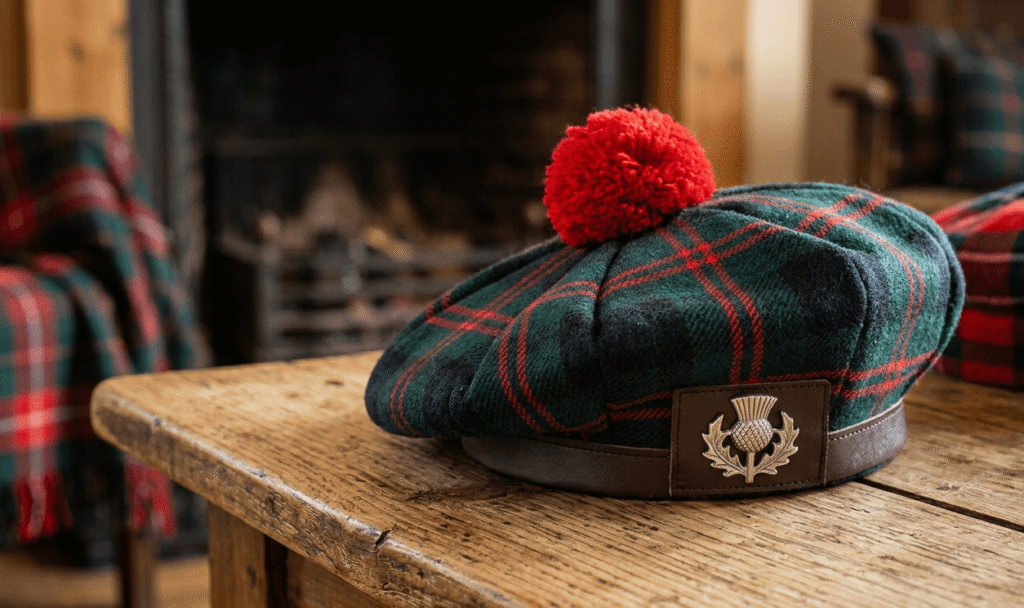
The Tam O’ Shanter hat is more than just a traditional piece of headwear—it is a cultural symbol deeply rooted in Scottish history, literature, and identity. Recognized by its flat crown, wide shape, and distinctive pom-pom (known as a “toorie”) on top, this hat has evolved from practical rural wear into a globally admired fashion and heritage item.
In this detailed guide, we’ll explore the origins, design elements, cultural significance, modern adaptations, and micro-niche appeal of the Tam O’ Shanter hat.
Historical Origins: Where It All Began
The Tam O’ Shanter dates back to 16th-century Scotland, where it was commonly worn by men across rural communities. Originally referred to simply as a “blue bonnet”, it was made from wool and dyed using natural indigo, giving it a distinctive deep blue color.
The name “Tam O’ Shanter” comes from the famous 1790 poem Tam o’ Shanter by Robert Burns, Scotland’s national poet. The character Tam wore this traditional bonnet, and over time, the name became permanently associated with the hat itself.
Design Anatomy: What Defines a Tam O’ Shanter?
1. Flat Crown Structure
The hat features a broad, flat crown that sits loosely on the head. Unlike fitted caps, it has a relaxed and slightly slouchy appearance.
2. The Toorie (Pom-Pom)
At the center of the crown sits a woolen pom-pom, called a toorie. This element is both decorative and symbolic, often matching or contrasting the hat’s color.
3. Wool Construction
Traditionally made from:
- 100% Scottish wool
- Hand-knitted or woven fabric
This ensures warmth, durability, and breathability.
4. Headband Fit
The base is slightly elastic or snug to keep the hat secure, making it practical for outdoor use.
Cultural Significance
The Tam O’ Shanter is not just clothing—it represents Scottish heritage and pride.
Connection to Scottish Identity
- Worn during traditional events
- Associated with Highland culture
- Symbol of national pride
Military Use
The Tam O’ Shanter is part of the official uniform of several Scottish regiments in the British Army. In this context, it is often:
- Khaki colored
- Worn with a badge or insignia
Micro-Niche Appeal: Heritage Meets Fashion
The Tam O’ Shanter fits into a unique micro niche:
Heritage Headwear with Literary and Cultural Identity
This niche combines:
- Historical authenticity
- Literary association (Robert Burns)
- Traditional craftsmanship
- Modern fashion reinterpretation
Modern Variations and Styles
1. Traditional Wool Tam
- Classic colors: navy, black, tartan
- Authentic Scottish design
2. Tartan Tam O’ Shanter
- Features clan-specific tartan patterns
- Popular for cultural events and tourism
3. Fashion Tam (Beret Style)
- Sleeker, more fitted
- Often worn as a stylish beret alternative
4. Women’s Tam O’ Shanter
- Smaller size
- Decorative elements like ribbons or embellishments
How It Differs from a Beret
| Feature | Tam O’ Shanter | Beret |
| Origin | Scotland | France/Spain |
| Structure | Looser, larger | More fitted |
| Pom-pom | Yes (toorie) | No |
| Cultural link | Strong Scottish identity | European fashion |
While they may look similar, the Tam O’ Shanter carries deeper cultural symbolism.
Practical Benefits
1. Weather Protection
The wool material provides:
- Insulation in cold climates
- Breathability
2. Comfortable Fit
Its loose design ensures:
- No tight pressure on the head
- Easy wear for long durations
3. Versatility
Can be worn:
- Casually
- At cultural events
- As part of formal Highland dress
Styling Tips: How to Wear a Tam O’ Shanter
Traditional Look
Pair with:
- Kilt
- Sporran
- Wool jacket
Casual Modern Look
Combine with:
- Sweater
- Coat
- Jeans
Artistic/Fashion Look
The Tam is popular among creatives for its:
- Bohemian aesthetic
- European-inspired vibe
Who Should Wear It?
The Tam O’ Shanter is ideal for:
- Cultural enthusiasts
- Tourists visiting Scotland
- Fashion-forward individuals
- People seeking unique headwear
Buying Guide: What to Look For
1. Material Quality
Choose:
- Pure wool for authenticity
- Avoid synthetic blends if possible
2. Size and Fit
Ensure:
- Comfortable headband
- Not too loose or too tight
3. Authenticity
Look for:
- Made in Scotland labels
- Trusted heritage brands
Common Mistakes to Avoid
1. Confusing It with a Beret: While similar, they serve different cultural purposes.
2. Choosing Cheap Replicas
Low-quality versions:
- Lose shape quickly
- Lack authentic texture
3. Incorrect Styling: Wearing it improperly (too tight or too upright) can reduce its classic look.
Care and Maintenance
To maintain your Tam O’ Shanter:
- Hand wash with cold water
- Use mild detergent
- Air dry (avoid dryers)
Proper care ensures longevity and preserves shape.
Why the Tam O’ Shanter Still Matters Today
In an era dominated by fast fashion, the Tam O’ Shanter stands out as a symbol of timeless design and cultural storytelling. Its enduring popularity lies in its ability to adapt—remaining relevant in both traditional ceremonies and contemporary fashion.
It is not just a hat—it is:
- A literary tribute
- A cultural emblem
- A fashion statement
Final Thoughts
The Tam O’ Shanter hat is a perfect example of how tradition and style can coexist. From its humble beginnings as a practical wool bonnet to its status as a globally recognized cultural icon, it continues to captivate people across generations.
Whether you wear it for heritage, fashion, or functionality, the Tam O’ Shanter offers something unique—a blend of history, identity, and timeless charm that few accessories can match.