Kidlings Shoes For Childs
Arslan Khokhar
March 3, 2026
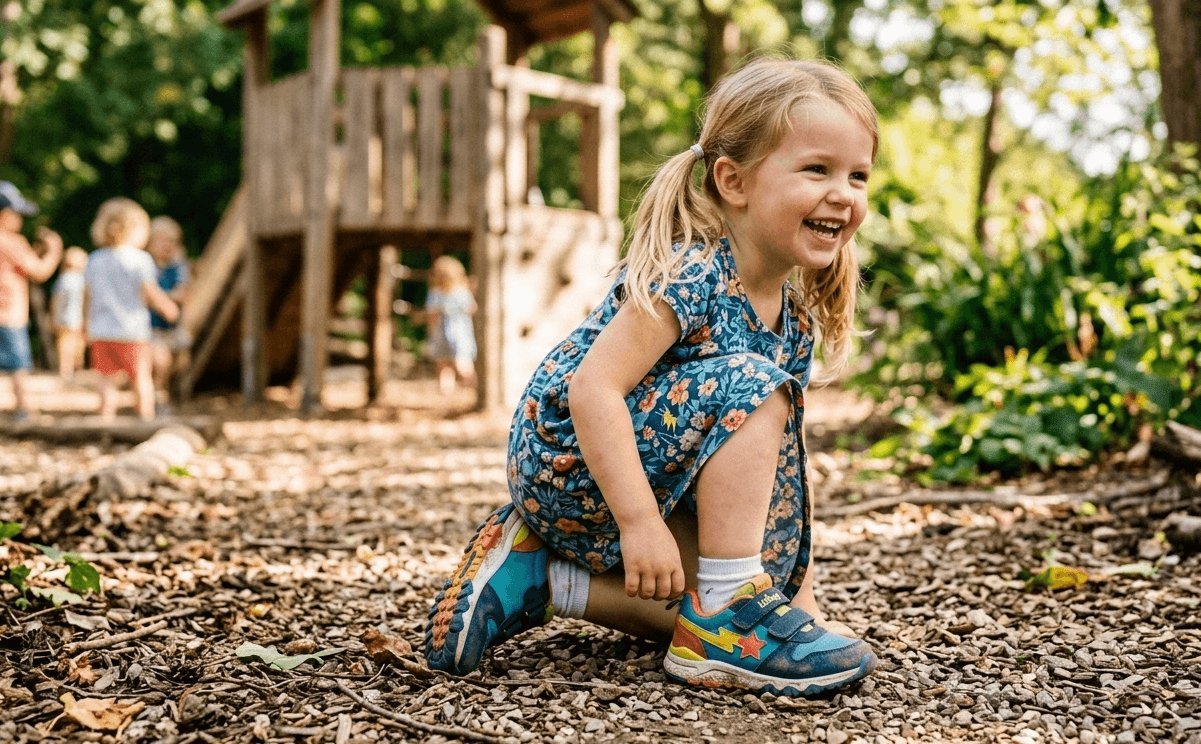
Children stay active through most parts of their day. They run across playgrounds, walk through school halls, play indoor games and enjoy outdoor activities. Their footwear needs to support all these movements without making the feet feel heavy or restricted. Kidlings shoes for childs provide comfortable footwear choices for growing kids who need dependable shoes for school, play, family outings and daily wear.
The phrase Kidlings shoes is often searched by parents looking for children’s footwear with soft materials, secure fastening and attractive colors. A good pair can give a child the freedom to move comfortably. It can support natural foot development too, which parents really care about during the early growing years.
What Are Kidlings Shoes?
Kidlings shoes are footwear options made for infants, toddlers, preschool children and school age kids. Styles may include sneakers, sandals, casual shoes, school shoes, boots and slip on footwear. Some models are suitable for everyday activities, yet others may serve a certain season or event.
These shoes usually focus on comfort, flexible movement and easy wearing. Children do not always have patience to tie complicated laces, so hook and loop straps, elastic laces and simple slip on styles are popular choices. Younger children can sometimes wear and remove these shoe without help, giving them a small feeling of independence.
Shoes for Growing Feet
A child’s foot contains developing bones, muscles and ligaments. Footwear that feels too tight may create pressure around the toes, heel or upper foot. Shoes that are far too loose can slip during walking and may increase the chance of falling.
Kidlings shoes for children should provide enough room near the toes. The heel should sit comfortably, and the shoe should bend near the ball of the foot. A child needs space for movement, but the shoe should not move around like a loose slipper.
Popular Types of Kidlings Shoes
Everyday Sneakers
Sneakers are one of the most popular choices for kids. They can be worn at school, in the park or during a casual family visit. Lightweight soles help children walk and run without carrying extra weight on their feet.
Breathable fabric or small ventilation areas may reduce heat inside the shoe. This can be useful for an active kid who play for several hours. Cushioned insoles can make the shoes feel softer on hard classroom floors and outdoor paths.
Sandals for Warm Weather
Children’s sandals allow more airflow around the feet. Many parents choose them during summer or for vacations in warm places. Closed toe sandals can give extra protection near the front, where open toe designs feel cooler.
The straps should sit comfortably without rubbing the skin. Very rough material can leave red areas near the ankle or toes. Parents should check these areas after the first few times of wear.
School Shoes
School footwear often needs to match uniform rules. Black, brown and navy are common colors. A practical school shoe should be comfortable for classroom use, walking, morning assembly and playground time.
Some schools require formal looking footwear. A soft collar, flexible sole and cushioned footbed can still make a formal style comfortable. Shoes must be checked through the school term since children feet may grow faster than expected.
Boots and Cold Weather Footwear
Boots help keep feet warm during cooler weather. Some styles offer water resistance for rainy days, though water resistance should not be confused with fully waterproof construction. Warm linings can feel cozy but may require a slightly different size than thin summer shoes.
The boot opening needs enough room for socks without pressing the ankle. Heavy boots may tire a younger child, so one should check the weight before buying.
How to Choose the Right Size
Children may not clearly explain that a shoe feels tight. Some continue wearing an uncomfortable pair and simply change the way they walk. Parents need to inspect the fit rather than depending only on what the child said.
Follow these fitting tips:
- Measure both feet, as one foot may be slightly larger
- Fit the shoe according to the larger foot
- Leave a small amount of growing space near the toes
- Check that the heel does not slide excessively
- Let the child walk, turn and gently run in the shoes
- Look for pressure marks after removing them
Foot size may change within a few months. Toddlers and younger children need regular checks. Do not buy shoes with far too much extra space just to make them last longer, since an oversized shoe can affect balance and comfort.
Comfort Features Parents Should Check
- Flexible Soles: A suitable sole should bend near the front section where the toes naturally flex. A sole that is extremely stiff can make normal walking feel awkward. Very thin soles might provide little protection on rough ground.
- Cushioned Footbeds: Soft cushioning can reduce the hard feeling of concrete, tile and playground surfaces. Too much softness is not always better, as a very thick footbed may feel unstable. The best feeling is supportive yet comfortable.
- Secure Fastening: Hook and loop straps are convenient for younger kids. Elastic laces work well for quick dressing, and traditional laces can suit older children who know how to tie them correctly. Fastenings should hold the foot without pressing it tightly.
- Breathable Materials: Mesh, canvas, leather and some synthetic fabrics may offer different levels of airflow. Breathability helps manage heat and moisture inside a shoe. Socks made with a suitable fabric can help too.
Wearing Kidlings Shoes for Daily Activities
The right shoe depends on the activity. A casual slip on shoe may be fine for a short family visit, but it may not give enough hold for running. Sports activities often need sneakers with better grip and side support.
Children should wear socks that fit properly. Oversized socks may bunch under the toes, and tiny socks can slide down around the heel. Wet socks need changing soon, since dampness can cause discomfort and bad smells.
New shoes may need a short adjustment period. Let the child wear them around the house for a little time before using them for a full school day. This lets parents notice rubbing, slipping or tight spots early. Still, a painful shoe is not something a child must “break in” for many days.
Care Tips for Children’s Shoes
Children footwear can get dirty very quick. Mud, grass, dust and spilled drinks are common parts of family life. Check the care directions for the shoe material before washing it.
Helpful care habits include:
- Remove loose dirt with a soft brush
- Wipe surface marks with a slightly damp cloth
- Allow wet shoes to dry at normal room temperature
- Keep shoes away from strong direct heat
- Air the shoes after active use
- Check soles for worn or smooth areas
Using two pairs on alternate days gives each pair time to dry. This is useful for children who sweat heavily or play outdoors every day.
Style and Color Choices
Kids often care about appearance more than parents expect. Bright colors, character inspired details, glitter, simple patterns and sporty looks can make them excited to wear a new pair. Neutral colors are easier to match with school uniforms and regular outfits.
Letting a child choose between two suitable options can make shopping easier. The parent still controls fit and function, yet the child gets a say in the color or design. That small choice can actually prevent arguments during the morning routine.
Questions and Answers
Are Kidlings shoes good for school?
They may be suitable if the chosen style follows school rules and fits the child properly. Look for grip, comfortable lining and secure fastening.
How often should children’s feet be measured?
Young children may need measurement every two or three months. Older children can be checked every few months or whenever their current shoes begin feeling tight.
Should parents buy one size larger?
A little growing room is useful, but buying a full size larger may cause slipping. Fit should be checked through walking and movement rather than relying only on the number.
Can children wear the same shoes every day?
They can, but rotating pairs lets moisture dry and may help the shoes last longer. Different activities may require different shoe style.
How can parents tell if shoes are too small?
Look for red marks, curled toes, complaints of pain, worn areas near the toe and a sudden reluctance to wear the shoes. A change in walking can be another sign.
Kidlings shoes for childs can support school routines, outdoor fun and everyday family activities when the size and style is selected carefully. Comfort, flexibility, grip and secure fitting matter more than appearance alone. A shoe that feels good encourages natural movement, and that makes daily life easier for both kids and parents.
Share It
Previous Post
Recent Posts